
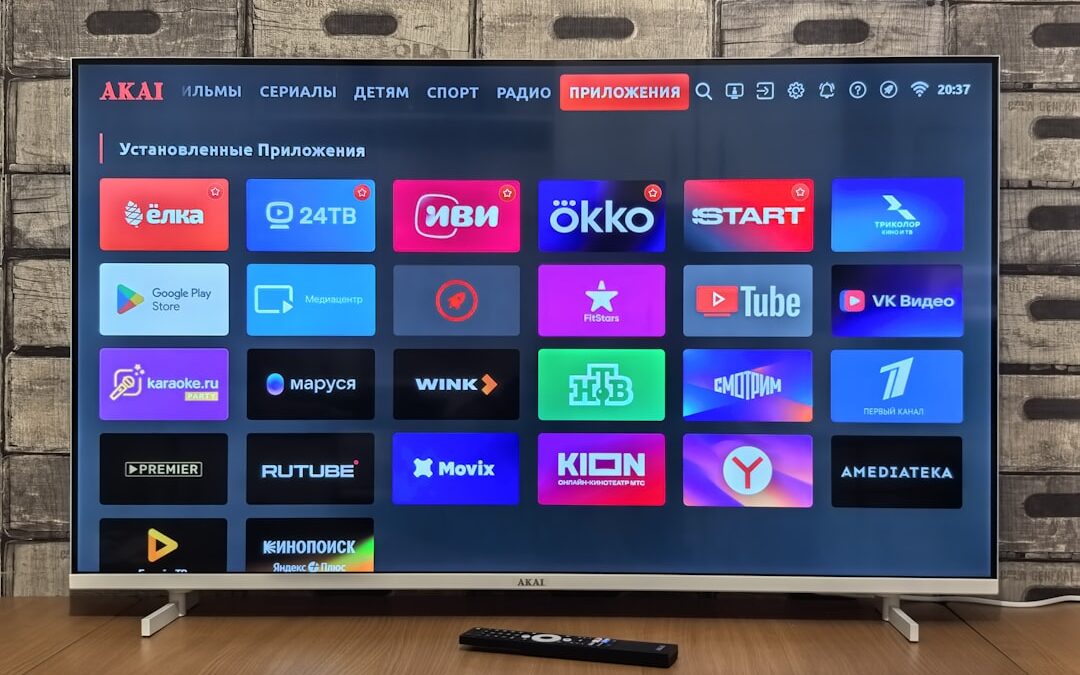
Home entertainment in Belgium is changing fast. Viewers no longer want to plan their evenings around rigid broadcast schedules, limited channel bundles, or expensive hardware. They want flexible access, better value, multilingual content, and the freedom to watch on their own terms. That is exactly why IPTV is gaining momentum across the country. By delivering television over internet connections rather than traditional cable or satellite systems, IPTV is reshaping how Belgian households discover, watch, and manage entertainment. For families, sports fans, film lovers, and international viewers alike, it offers a more modern and adaptable viewing experience.
The Shift from Traditional TV to Internet-Based Viewing
For years, home entertainment in Belgium was dominated by conventional TV packages. While these services still have a place, they often come with familiar frustrations: fixed schedules, channel lineups filled with unwanted options, and contracts that do not always match changing viewing habits. IPTV answers these problems by putting control back into the hands of the viewer.
Instead of relying on older delivery systems, IPTV streams live channels, on-demand content, and catch-up programming through broadband internet. This model aligns with the way people already consume music, films, and digital services. Belgian households are increasingly used to instant access, mobile viewing, and personalised recommendations. In that environment, IPTV feels less like a niche alternative and more like the natural evolution of television.
Another reason for this shift is convenience. Viewers can access content across multiple devices, including smart TVs, tablets, laptops, and smartphones. That means entertainment is no longer tied to a single room in the home. Whether someone wants to follow a football match in the living room or continue a series on a tablet in the kitchen, IPTV supports a seamless experience that fits modern routines.
Why IPTV Appeals Strongly to Belgian Households
Belgium has several characteristics that make IPTV especially attractive. First, it is a highly connected country with widespread internet usage and growing demand for digital-first services. As connection quality improves, streaming high-definition and even ultra-high-definition content becomes more practical for everyday households.
Second, Belgium is linguistically diverse. Many viewers want access to content in Dutch, French, English, and sometimes other languages as well. IPTV platforms are often better positioned to provide broader international channel selections and varied on-demand libraries than traditional packages. This is particularly valuable for multilingual families, expatriates, and viewers who want both local programming and global entertainment in one place.
Flexibility is another major draw. Traditional TV bundles can feel bloated and costly, especially when viewers only watch a fraction of the channels they pay for. IPTV services are often perceived as more adaptable and cost-conscious, allowing users to prioritise the content that actually matters to them. Those exploring modern streaming options in Belgium often come across services such as IPTV Belgie when comparing how internet-based television can better match current viewing habits.
For sports audiences in particular, IPTV has become highly appealing. Belgian viewers follow domestic leagues, European competitions, and international events with strong enthusiasm. Reliable access to live sports, replay features, and multi-device viewing creates a more dynamic experience than traditional television can always offer. The same applies to movie fans and series lovers who value on-demand access rather than waiting for scheduled broadcasts.
Personalisation, Convenience, and Better User Experience
One of IPTV’s biggest strengths is personalisation. Modern viewers expect content to adapt to their preferences, not the other way around. IPTV services frequently offer features that support a more tailored entertainment experience, such as favourites lists, recommendations, replay functions, and searchable libraries. These tools make content discovery faster and more intuitive.
The user experience also tends to be more aligned with digital expectations. Instead of navigating outdated menus or switching between multiple devices for different types of content, users can often browse live television, films, and series through one interface. This simplicity matters. A smoother experience reduces friction and makes home entertainment feel genuinely enjoyable rather than complicated.
- On-demand access: viewers can watch programmes when it suits them rather than at a fixed broadcast time.
- Multi-device compatibility: content can move easily from television screens to mobile devices.
- Replay and catch-up options: missed shows and matches are less likely to be lost.
- Broader content choice: local, international, niche, and language-specific programming can sit side by side.
This level of convenience is especially important in busy households. Different family members often want different types of content at different times. IPTV supports that diversity better than a one-size-fits-all television package. It reflects how people actually live: on flexible schedules, across multiple screens, and with varied interests.
What IPTV Means for the Future of Entertainment in Belgium
IPTV is not just a trend; it is part of a broader shift toward connected, viewer-driven media. As Belgian consumers continue to expect flexibility, transparency, and digital convenience, IPTV is likely to play an even larger role in the entertainment market. Its rise also reflects a deeper change in consumer priorities. People increasingly value usability, content variety, and control over legacy formats and rigid service models.
Looking ahead, several factors may accelerate this transformation. Faster home internet connections will improve stream quality and reliability. Smart home ecosystems will make IPTV services easier to integrate into everyday life. At the same time, growing demand for international content and custom viewing experiences will continue to push entertainment providers toward more agile models.
That said, users still need to make informed choices. Service quality, content availability, device compatibility, and customer support all matter. A positive IPTV experience depends not only on the concept itself but also on the provider and the strength of the household internet connection. As the market develops, consumers in Belgium will likely become more selective, favouring solutions that combine stability, ease of use, and strong content offerings.
IPTV is transforming home entertainment in Belgium because it aligns with how people want to watch today: flexibly, personally, and across devices. It gives viewers more control, broader access to content, and a better fit with multilingual, digital lifestyles. For a country that values convenience, connectivity, and choice, IPTV is not simply replacing older television habits. It is redefining what a home entertainment experience should look like.
